

Understanding Modern Indian Landscape Design: A Fresh Look at Outdoor Spaces from Plantlix
- Prasad Chanapathi
- Feb 4
- 4 min read

When you think about transforming your outdoor space, what comes to mind? Maybe a lush garden, a cozy patio, or a vibrant courtyard? Landscape architecture is the magic behind these beautiful, functional spaces. In India, this field is blossoming with creativity and sustainability, blending tradition with modern design. Let me take you on a journey to explore how modern Indian landscape design is shaping homes, offices, and commercial properties across the country.
What Makes Modern Indian Landscape Design Unique?
Modern Indian landscape design is a vibrant mix of cultural heritage and contemporary trends. It’s not just about planting trees or laying grass; it’s about creating an experience that connects you with nature while complementing your lifestyle.
Here’s what sets it apart:
Cultural Integration: Designs often incorporate traditional elements like courtyards, water features, and native plants that have been part of Indian homes for centuries.
Sustainability Focus: With growing environmental awareness, many designers prioritize drought-resistant plants, rainwater harvesting, and eco-friendly materials.
Functional Aesthetics: Spaces are designed to be both beautiful and practical, offering areas for relaxation, social gatherings, and even work-from-home setups.
Use of Local Materials: Stone, terracotta, and bamboo are commonly used, adding authenticity and reducing the carbon footprint.
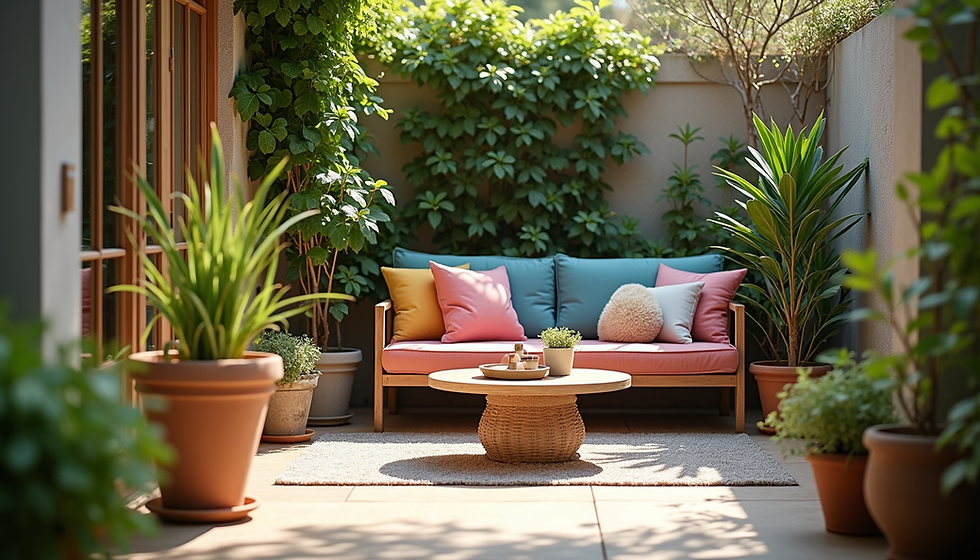
Imagine stepping into a garden where the fragrance of jasmine mingles with the sight of a traditional stone pathway, all while knowing the plants thrive with minimal water. That’s the charm of modern Indian landscape design!

How to Bring Modern Indian Landscape Design to Your Space
You might wonder how to start transforming your outdoor area. Here’s a simple roadmap to guide you:
Assess Your Space and Needs
Take a good look at your property. Is it a small balcony, a sprawling backyard, or a commercial frontage? Think about how you want to use the space - for relaxation, entertaining, or enhancing curb appeal.
Choose Native and Climate-Friendly Plants
Native plants like neem, tulsi, and hibiscus not only thrive in Indian climates but also support local biodiversity. They require less water and maintenance, making your garden sustainable and vibrant.
Incorporate Water Features and Lighting
A small fountain or pond can add tranquility. Solar-powered lights highlight pathways and create ambiance without increasing your electricity bill.
Use Eco-Friendly Materials
Opt for natural stones, reclaimed wood, and organic mulches. These materials age beautifully and reduce environmental impact.
Plan for Year-Round Interest
Select plants that bloom in different seasons. Mix textures and colors to keep your garden lively throughout the year.
Consult a Professional
Landscape architects can tailor designs to your preferences and site conditions. They bring expertise in plant selection, soil health, and sustainable practices.
By following these steps, you’ll create a space that feels like an extension of your home or business - welcoming, refreshing, and uniquely yours.
The Role of Landscape Architecture in India’s Urban Growth
India’s cities are expanding rapidly, and with that comes the challenge of maintaining green spaces. Landscape architecture plays a crucial role in making urban environments livable and beautiful.
Urban Parks and Green Corridors: These provide residents with places to unwind and connect with nature amidst the concrete jungle.
Commercial Landscapes: Offices and malls are investing in green spaces to improve air quality and create inviting atmospheres.
Residential Complexes: Gated communities and apartment buildings are incorporating gardens, rooftop terraces, and play areas to enhance quality of life.
One exciting trend is the integration of vertical gardens and green walls in urban settings. These not only save space but also act as natural air purifiers.
If you’re looking to upgrade your commercial property or home garden, tapping into the expertise of landscape architecture india professionals can make all the difference. They understand local conditions and can design spaces that are both stunning and sustainable.

Practical Tips for Maintaining Your Indian Landscape
Creating a beautiful landscape is just the beginning. Keeping it healthy and vibrant requires some care. Here are some friendly tips to help you maintain your outdoor space:
Water Wisely: Early morning or late evening watering reduces evaporation. Use drip irrigation to target roots directly.
Mulch Regularly: Mulching retains moisture, suppresses weeds, and enriches the soil.
Prune and Trim: Regular pruning encourages healthy growth and keeps plants looking neat.
Feed Your Plants: Use organic compost or natural fertilizers to nourish your garden.
Pest Management: Embrace natural pest control methods like neem oil or companion planting to avoid harmful chemicals.
Seasonal Clean-Up: Clear fallen leaves and debris to prevent diseases and keep your garden tidy.
Remember, a little attention goes a long way. Your garden will reward you with beauty and calmness every day!
Embracing Green Spaces for a Healthier Future
Investing in landscape design is more than just aesthetics. It’s about creating healthier environments for you, your family, employees, and customers. Green spaces reduce stress, improve air quality, and even boost productivity.
Whether you own a cozy home or a bustling commercial property, embracing modern Indian landscape design can transform your surroundings into a sanctuary. It’s a wonderful way to connect with nature, celebrate culture, and contribute to a sustainable future.
If you’re ready to start your landscaping journey, remember that expert guidance and thoughtful planning are your best friends. With the right approach, your outdoor space can become a vibrant, living masterpiece that brings joy year-round.
I hope this glimpse into the world of modern Indian landscape design inspires you to reimagine your outdoor spaces. Let’s nurture nature together and create beautiful, sustainable environments that reflect the rich heritage and bright future of India!


Comments