

Expert Tips for Terrace Garden Design Tips
- Prasad Chanapathi
- Mar 25
- 4 min read

Creating a terrace garden is one of the most rewarding ways to bring nature closer to your daily life. Whether you have a small balcony or a spacious rooftop, a well-designed terrace garden can transform your space into a peaceful retreat. I’m excited to share some expert tips that will help you design a terrace garden that’s not only beautiful but also practical and sustainable.
Start with a Clear Plan and Purpose
Before you start buying plants or pots, take a moment to plan your terrace garden. Ask yourself what you want from this space. Is it a relaxing nook, a kitchen garden, or a vibrant floral display? Knowing your purpose will guide your choices.
Measure your space carefully. Note the dimensions and any structural features like railings or walls.
Assess sunlight exposure throughout the day. Some plants love full sun, while others prefer shade.
Consider weight limits of your terrace. Heavy pots and soil can add significant load.
Decide on the style you want - modern, rustic, tropical, or minimalist.
Having a clear plan helps you avoid clutter and ensures your garden thrives.

Essential Terrace Garden Design Tips for Success
Now that you have a plan, let’s dive into some practical tips that will make your terrace garden flourish.
Choose the Right Plants for Your Climate and Space
Selecting plants suited to your local climate and terrace conditions is crucial. In India, the climate varies widely, so pick plants that can handle your region’s heat, humidity, or cooler months.
Succulents and cacti are great for hot, dry terraces.
Herbs like mint, coriander, and basil thrive in pots and are useful in the kitchen.
Flowering plants such as marigolds, petunias, and hibiscus add vibrant colour.
Climbers like money plant or jasmine can create natural green walls or privacy screens.
Remember to mix plants with different heights and textures for visual interest.
Use Lightweight Containers and Smart Potting Mix
Heavy pots can strain your terrace structure. Opt for lightweight containers made from fiberglass, plastic, or fabric grow bags. These are easier to move and less likely to cause damage.
Use a well-draining potting mix designed for container gardening. You can improve soil quality by adding organic compost or coco peat. This helps retain moisture and provides nutrients.
Incorporate Vertical Gardening to Maximise Space
If your terrace is small, vertical gardening is a game-changer. Use wall-mounted planters, hanging baskets, or trellises to grow plants upwards instead of outwards.
Install vertical garden panels for herbs or succulents.
Hang macrame plant holders for trailing plants.
Use stackable pots or tiered shelves to create layers.
Vertical gardening not only saves space but also adds a lush, green backdrop.

Ensure Proper Watering and Drainage Systems
Watering is a critical part of terrace gardening. Too much water can cause root rot, while too little can stress plants.
Use pots with drainage holes to prevent waterlogging.
Place saucers or trays under pots to catch excess water and protect the floor.
Consider installing a drip irrigation system or self-watering pots for convenience.
Water early in the morning or late in the evening to reduce evaporation.
Regularly check your plants for signs of overwatering or drought stress.
Add Functional and Aesthetic Elements
A terrace garden is more than just plants. Adding functional and decorative elements can enhance your experience.
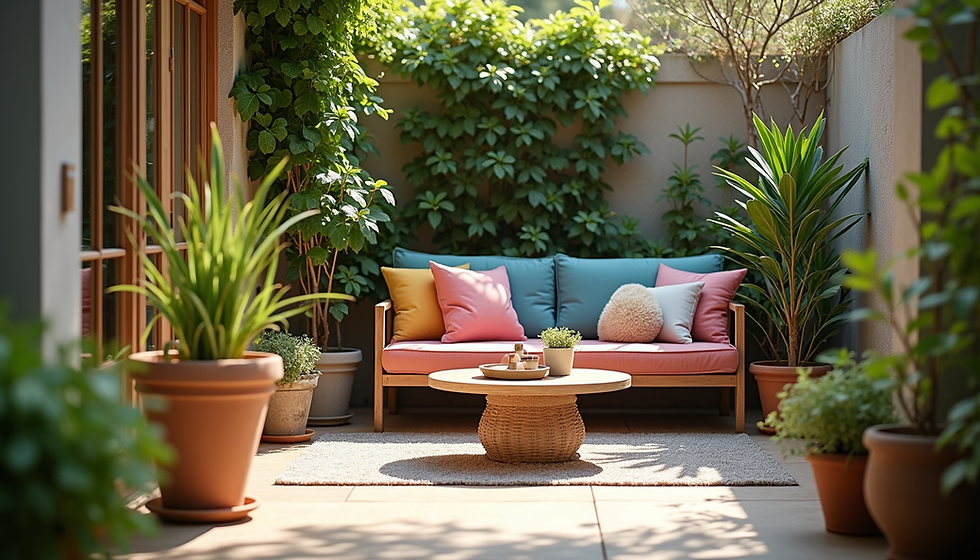
Include comfortable seating like a bench or foldable chairs.
Use outdoor rugs and cushions to create a cozy vibe.
Add solar-powered lights for evening ambience.
Incorporate small water features or wind chimes for soothing sounds.
Use natural materials like bamboo or terracotta for pots and furniture to keep the eco-friendly theme.
These touches make your terrace garden a welcoming space to unwind.
Maintaining Your Terrace Garden with Ease
Once your terrace garden is set up, keeping it healthy is the next step. Here are some maintenance tips that will save you time and effort.
Regularly prune and deadhead plants to encourage growth.
Fertilize monthly with organic or slow-release fertilizers.
Monitor for pests and diseases; use natural remedies like neem oil.
Rotate plants seasonally to keep the garden fresh and vibrant.
Clean pots and surfaces to prevent algae and moss buildup.
Consistency is key, but don’t stress if you miss a day or two. Your garden will thank you for the care you give.
Bringing Your Vision to Life with Terrace Garden Design Online
If you’re looking for inspiration or professional help, exploring terrace garden design online can be a fantastic resource. Many platforms offer design ideas, plant recommendations, and even customised plans tailored to your space and preferences.
Using online tools and expert advice can simplify the process and ensure your terrace garden is both stunning and sustainable.
Your Green Oasis Awaits!
Designing a terrace garden is a wonderful journey that combines creativity, nature, and personal style. With these expert tips, you’re well on your way to creating a green oasis that refreshes your mind and beautifies your space.
Remember, every garden starts with a single seed or plant. Be patient, enjoy the process, and watch your terrace transform into a lush paradise!


Comments